ABOUT
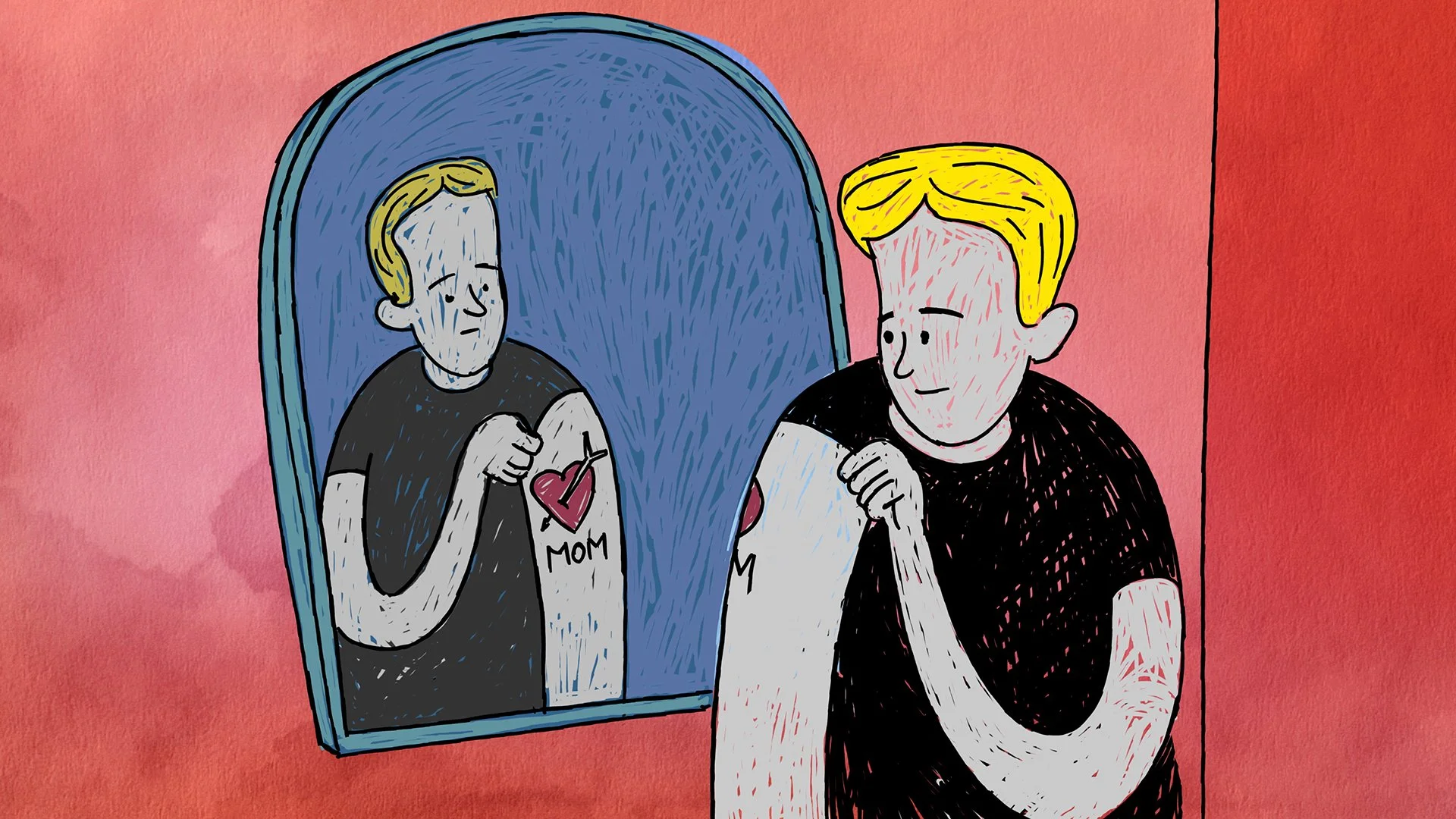
When filmmaker Julia Kots decides not to have kids, she embarks on the ultimate spring cleaning—donating her previously-frozen eggs—and documents the stories of other women who don’t have children. Blending their raw confessions with her own egg-sistential journey, this partially-animated documentary candidly examines why more women are opting out of motherhood. From financial strain to climate anxiety, from family trauma to lack of a partner, the film confronts taboos as it exposes the complex, heartbreaking, and sometimes hilarious truths behind rising childlessness.
lookbook
Download here.
STATEMENT
The people with the loudest voices on the topic of declining birth rates are not the ones making the hard decisions. I wanted to let women tell their own stories about what really shapes the choice not to have kids.
As women have gained more access to education and contraception, fewer babies are being born worldwide. Whereas population replacement level is considered 2.1 children per family, the fertility rate in the European Union is 1.5 and in the US 1.6. By 2035, an estimated quarter of American women will never give birth.
After decades of overpopulation anxiety and with climate change wreaking havoc on the planet, a lower fertility rate should to be welcome. However, our society is simply not set up for an aging and shrinking population. Furthermore, American surveys in show that the preferred fertility rate (2.2) is greater than the actual one (1.6), meaning people would like to be having more children, but face too many obstacles.
The women featured in this documentary discuss the following reasons for forgoing motherhood:
Finances
Inability to find a mate
Physical health
Mental health
Demanding career
Family trauma
Institutional racism
Concerns about climate change
They just don’t want children
The documentary explores the global issue of women opting out of motherhood through interviews with American women who are childless/childfree by choice or circumstance. Expert interviews provide context. The main storyline follows the filmmaker herself on a quest to donate her frozen eggs and explore the impact of family trauma. One third of the film is animated to add humor and a personal point of view.
By showcasing individual stories and points of view in an informative, humorous, and heartfelt manner, I am pursuing three objectives:
Convey to the general audience that forgoing motherhood is not just a lifestyle choice, but a complex and widespread phenomenon.
Introduce the audience to the very personal thoughts, feelings, and decision-making process of the childless/childfree women whom I have interviewed.
Abate the stigma around being childless/childfree.